How Unconditional Cash Support is Restoring Autonomy and Dismantling Poverty in Tribal India
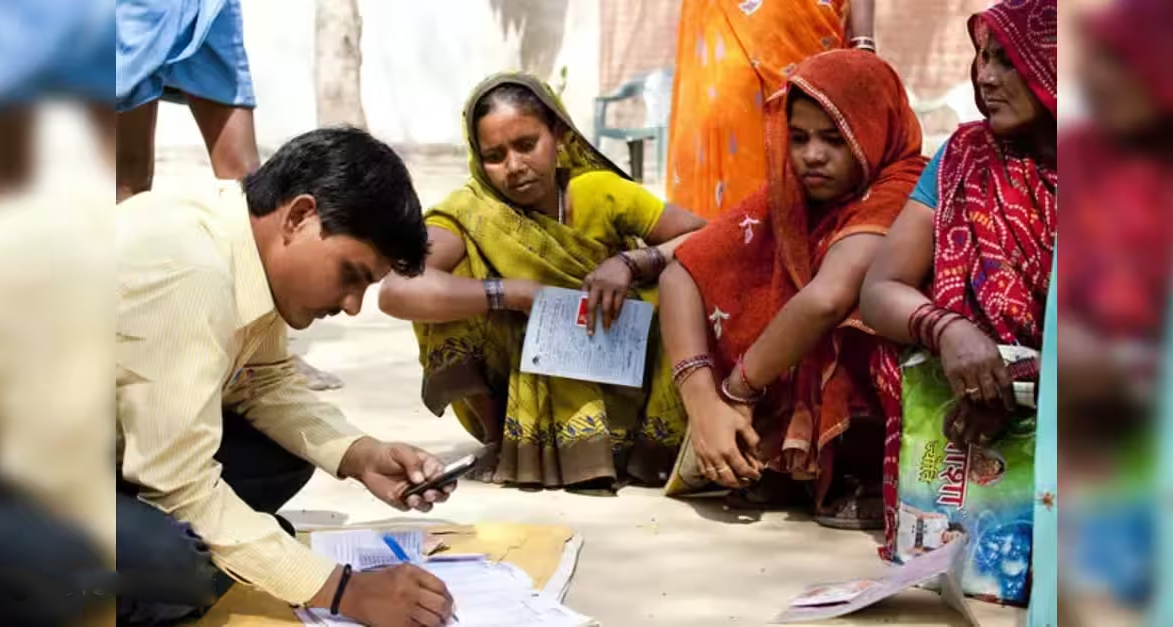
Maharashtra and Rajasthan—promises of schools that never opened, welfare schemes that vanished into red tape, and constitutional rights that remained hollow words on paper.
The villagers exchanged uncertain glances. Some laughed, while others simply walked away. In the remote tribal hamlets of Maharashtra and Rajasthan, broken promises are a routine legacy—unopened schools, missing welfare schemes, and rights that exist solely on paper. As Sandip Deore of the Yung Foundation observes, "Abhi tak waha sirf lene wale aaye hai, dene wale nahi" ("Until now, people have just taken from them; nobody has come to give").
In communities accustomed to exploitation, trust could not be demanded; it had to be built steadily through proof. That slow, intentional approach laid the groundwork for Project DEEP (Devising an End to Extreme Poverty). Rather than dictating how families should fix their lives, the initiative asks a fundamental question: What happens when you give people unconditional financial agency?
The Catalyst: A ₹10,000 Experiment
The idea took root when co-founder Pankhuri Shah—who left a corporate career for development work—watched a TED Talk by Dutch historian Rutger Bregman. His thesis was clear: "Poverty isn’t a lack of character; it’s a lack of cash."
To test whether unconditional transfers could work in India, her team carried out a small ₹10,000 pilot in a Mumbai neighborhood. The initial hesitation quickly gave way to thoughtful economic choices:
One woman launched a vegetable cart business.
Another renewed her daughter’s health insurance policy.
A recipient paid off urgent medical debts.
One woman saved her portion to afford a single self-care meal on her day off.
The pilot proved that when trusted with capital, families make decisions grounded in reason, long-term stability, and care.
The Operational Model
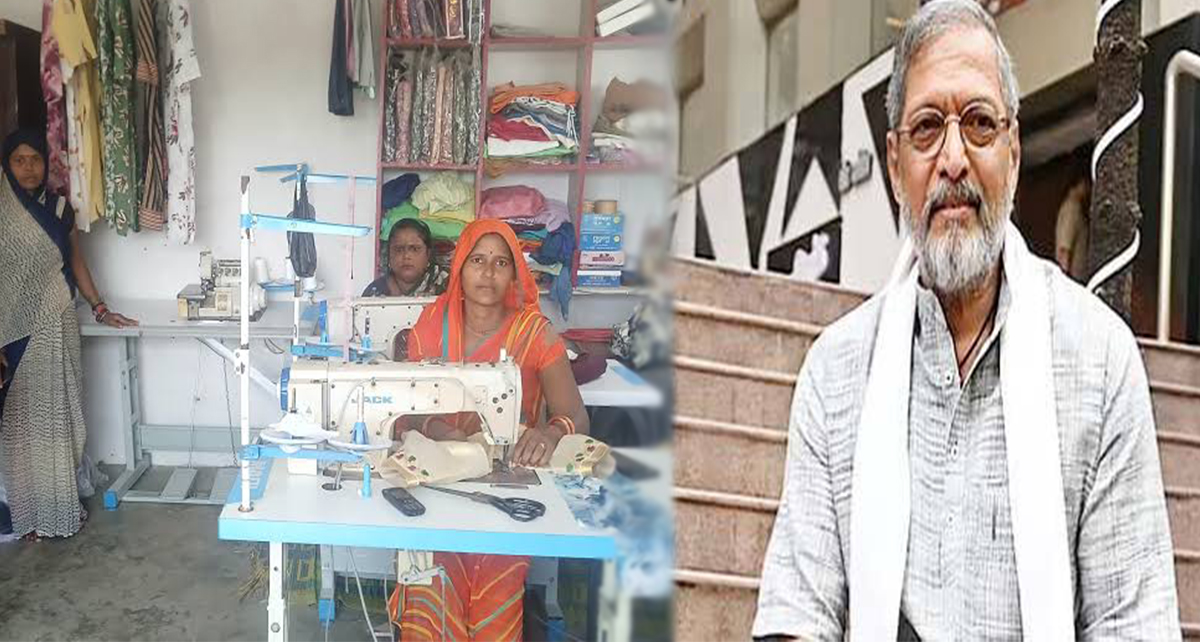
Project DEEP scales this insight by transferring a one-time capital grant directly into the bank account of the primary woman in each household.
Capital Transfer: ₹65,000 per family (roughly 70% to 80% of an average household's annual income).
Grassroots Execution: Partnerships with local organizations, including the Shram Sarathi Association in Rajasthan and the Yung Foundation in Maharashtra, ensure culturally sensitive community outreach.
Scale to Date: Over 800 families reached across six locations, impacting more than 3,400 lives.
Verification & Transparency: Field teams assist with bank account setup, conduct financial literacy drives, and issue formal receipts with dedicated support numbers to prevent fraud and protect beneficiaries from exploitation.
Impact: From Debt Cycles to Sovereign Choices
| Metric / Region | Traditional Reality | Impact via Project DEEP |
|---|---|---|
| Agricultural Debt (Nandurbar) | Generations of reliance on high-interest local moneylenders. | 102 farming families self-funded their agricultural inputs without taking on debt. |
| Water Security (Rajasthan) | Severe water scarcity limiting household productivity. | Beneficiaries like Ganga dug borewells and installed motorized pumps to secure water. |
| Social Dignity | Marginalization and exclusion from local financial spaces. | Women report entering local markets with enhanced self-worth and decision-making power. |
Rethinking Philanthropy
Co-founded by Pankhuri Shah (Research & Programs) and Muzamil Baig (Partnerships & Growth), Project DEEP aims to shift the power dynamic inherent in conventional aid. Supported by organizations such as BDO, Spectrum Impact, Forbes Marshall, Give, KV Mariwala Philanthropy Initiative, and the Mariwala Health Initiative, the project measures long-term impact through structured 3-month and 12-month follow-up assessments.
By addressing the trust gap in Indian philanthropy, Project DEEP demonstrates that lasting change does not require top-down prescriptions—it requires providing people with the dignity of choice and the resources to execute it.