Empowering Rural Matriarchs: Government Launches Phase 2 of National Entrepreneurship Campaign
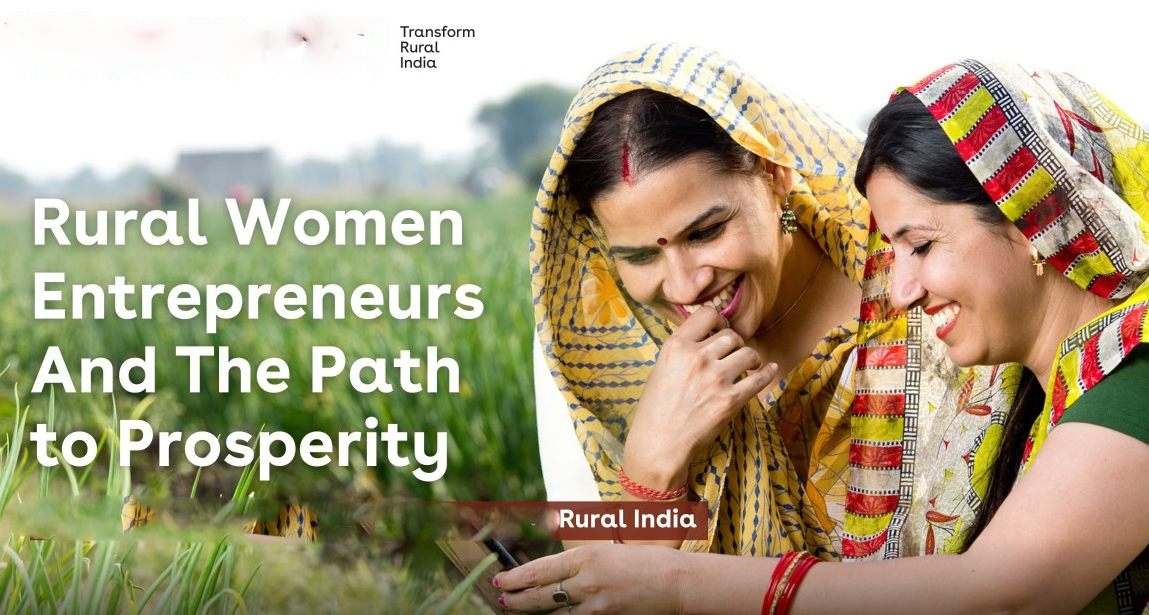
Targeting six crore 'Lakhpati Didis', the three-month drive under DAY-NRLM seeks to bolster micro-enterprises, extend digital market access, and drive sustainable livelihoods across rural India.
In a decisive move to strengthen self-reliance and enterprise among rural women, the Ministry of Rural Development has launched the second phase of the National Campaign on Entrepreneurship under the Deendayal Antyodaya Yojana-National Rural Livelihoods Mission (DAY-NRLM). Scheduled to run for three months through November 21, the extended phase expands focus across agricultural and non-agricultural sectors to build robust community-led enterprise ecosystems and support India’s target of creating six crore Lakhpati Didis.
Core Focus Areas of Phase 2
Promoting Women Entrepreneurship: Accelerating micro-enterprise development among Self-Help Group (SHG) members across farm and non-farm value chains.
Cadre & Institutional Strengthening: Enhancing the capacities of Community Enterprise Promotion Cadres alongside Producer Groups and Producer Enterprises.
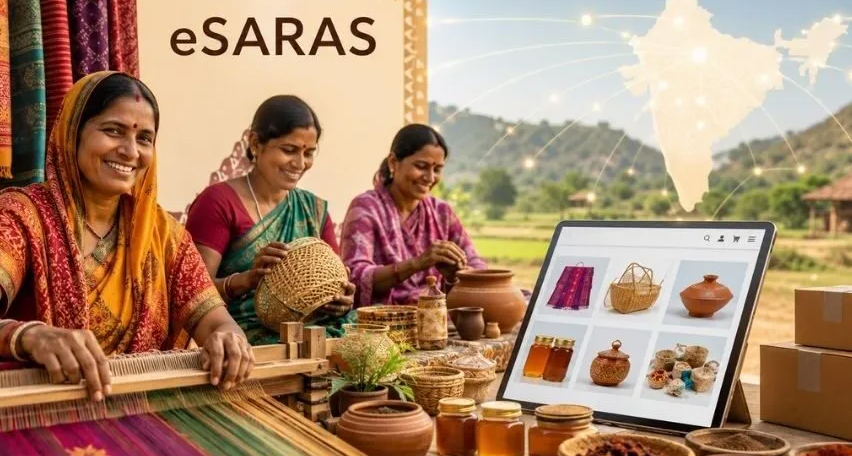
Digital & Market Integration: Onboarding rural women entrepreneurs onto e-commerce platforms and modern digital commerce channels.
Sustainable Farming: Deepening the adoption of agro-ecological practices across smallholder agricultural systems.
Key Targets at a Glance
| Target Area | Projected Milestone | Primary Objective |
|---|---|---|
| Capacity Building | 50,000 Community Cadres | Specialized training for enterprise mentoring |
| Livelihood Training | 5,00,000 SHG Women | Skill acquisition in business management and trades |
| Formalization Support | 50,000 Enterprises | Structural, legal, and credit linkage assistance |
| E-Commerce Onboarding | 25,000 SHG Members | Direct market linkage to digital marketplaces |
| Agro-Ecological Practices | 20,00,000 Women | Transition to sustainable, low-input farming |
| Producer Membership | 2,00,000 New Members | Scaling collective bargaining through Producer Groups |
| Youth Database | 5,00,000 Adolescent Girls | Mapping household data for future enterprise pipelines |
By prioritizing structural training, institutional formalization, and digital market access, the expanded campaign provides rural women with the infrastructure required to transition from subsistence livelihoods to scalable enterprise ownership.