Infrastructure vs. Welfare: A Financial & Social Analysis of UP’s ₹9.12 Lakh Crore Budget
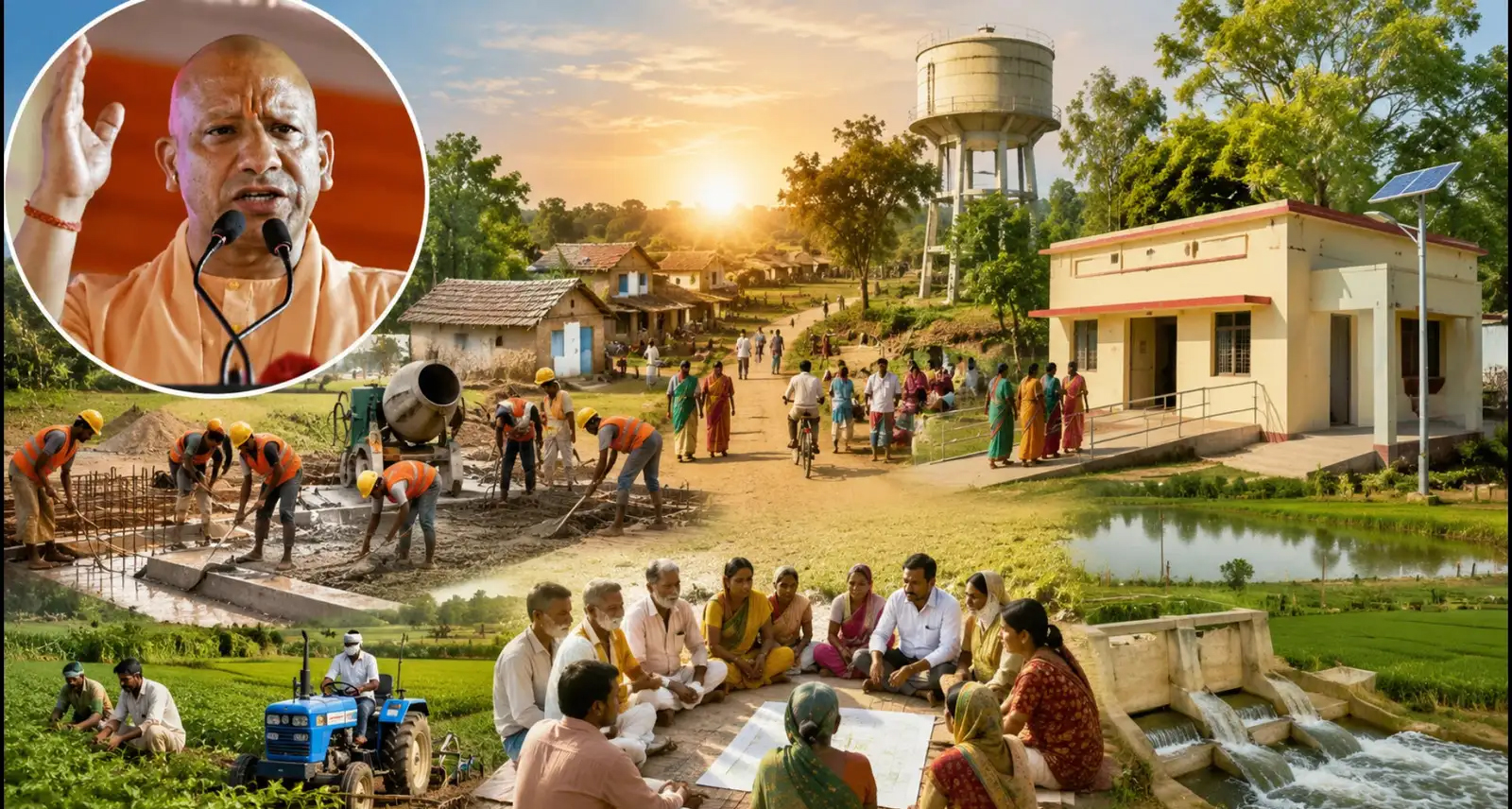
"Speedways of Concrete vs. Networks of Social Security: Can Uttar Pradesh Balance Fiscal Discipline, Central Dependence, and Long-Term Human Capital Development?"
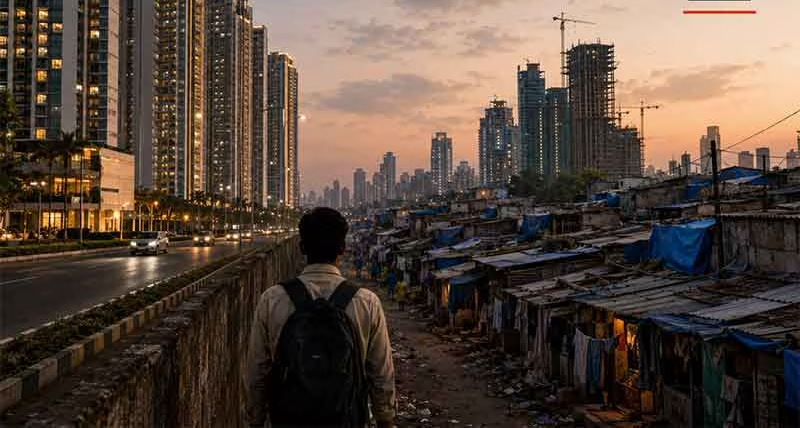
When Finance Minister Suresh Khanna presented Uttar Pradesh’s historic ₹9.12 lakh crore budget for FY 2026-27, it showcased a dual economic vision. On one side stand massive concrete monuments of modern infrastructure—like the Gorakhpur-Saharanpur High-Speed Corridor and Jewar International Airport. On the other side is a massive welfare safety net transferring pensions, subsidies, and grants directly into the bank accounts of women, seniors, farmers, and students.
The state claims these interventions have pulled nearly 60 million people out of poverty. Yet, crucial fiscal questions linger: Can UP sustain this welfare expansion without doubling its own tax revenue? And is this surge in capital outlay translating into real transformations inside rural classrooms, health centers, and malnourished households?
1. Core Structure of the FY 2026-27 Budget
The ₹9,12,696 crore budget balances capital creation with routine administrative and social expenditure while adhering strictly to fiscal discipline guidelines.
| Key Fiscal Indicator | Outlay / Value | Analytical Insight |
|---|---|---|
| Total Budget Size | ₹9,12,696 Crore | Historic peak in state expenditure capacity |
| Revenue Expenditure | ₹6,64,471 Crore | Covers administration, pensions, subsidies, and social schemes |
| Capital Expenditure | ₹2,48,226 Crore | Directed toward infrastructure, corridors, and long-term asset creation |
| New Schemes Provision | ₹43,565 Crore | Fresh developmental initiatives introduced in FY 2026-27 |
| Revenue Surplus | ₹64,458 Crore | Revenue receipts exceed routine operational expenditure |
| Fiscal Deficit | ₹1,18,481 Crore | Maintained at 3% of GSDP, reflecting strict fiscal adherence |
2. Social Sector Allocations: Education, Health & Rural Development
According to Prof. Roli Mishra, Head of the Economics Department at Lucknow University, social welfare and nutrition have received an outlay of ₹42,263 crore. The budget makes major leaps in foundational social pillars:
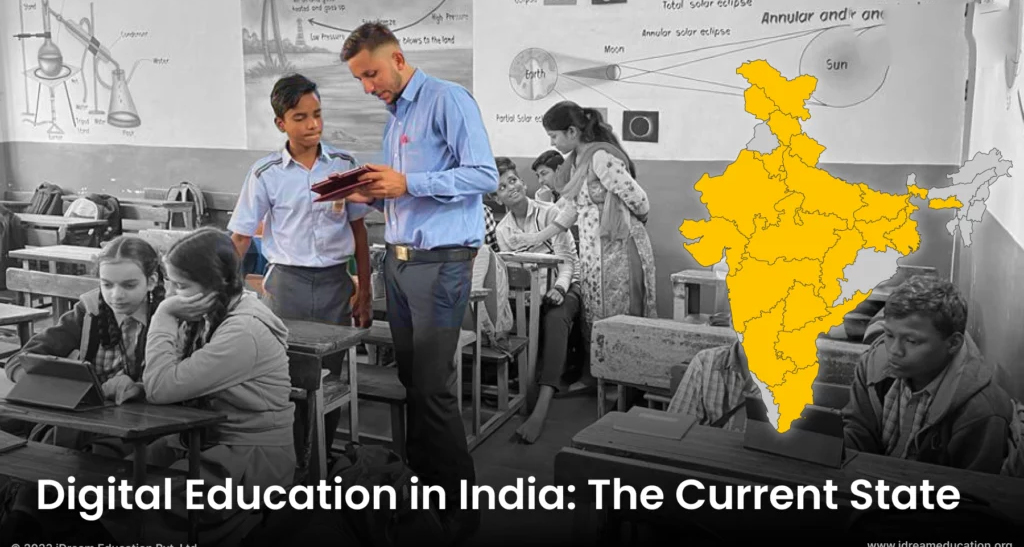
Education, Sports, Art & Culture: Allocated ₹1,08,154 crore (a ~28% increase over FY 2025-26 revised estimates). Data from UDISE+ (2024-25) shows 12.2 million students enrolled in state public schools, while PM POSHAN portal records (July 2026) cover 17.1 million students.
Health & Family Welfare: Allocated ₹53,326 crore (~24% increase). This includes ₹6,818 crore for rural allopathic health services (CHCs/PHCs) and ₹5,793 crore for urban health services.
Rural Development & Housing: Earmarked ₹49,044 crore, including ₹6,102 crore for PMAY-G, ₹5,544 crore for MGNREGA, and ₹4,580 crore for Livelihood Missions.
Social Security & Food Nets: Includes ₹8,950 crore for old-age/farmer pensions and ₹3,500 crore for destitute women. Under AePDS (June 2026 data), active transactions spanned 33.3 million ration cards across 78,000+ fair price shops.
3. Revenue Sources & The Pressure of Committed Expenses
Former Economics HOD Prof. M.K. Agarwal highlights that out of UP's estimated revenue receipts of ₹7,28,928 crore, the state depends almost equally on its own tax/non-tax collection and central transfers.
The Burden of Committed Expenditure
A significant share of the state's budget is tied up in mandatory obligations:
Salaries, Pensions & Interest Payments: Estimated at ₹3,53,743 crore for FY 2026-27.
Pension Growth: Pension outlays alone are projected to jump by 43%, creating an imperative for the state to rapidly augment its internal tax revenue base to prevent fiscal crowding.
4. The Debate: Handouts vs. Sustainable Human Capital
Economic thinkers and trade leaders debate whether welfare transfers serve as an economic catalyst or a long-term fiscal strain:
Human Capital & Productivity (Empirical View):
According to NITI Aayog's SDG India Index, multidimensional poverty in India fell from 24.8% (2015-16) to 14.96% (2019-21) and is projected near 11.28% (2022-23).
Direct social support (housing, nutrition, health cover) provides an essential floor. When linked with skill development, female employment, and MSME support, welfare shifts from a pure expense into an investment that expands individual earning capacity.
Fiscal Strain & Self-Reliance (Market View):
Trade representatives argue that perpetual unconditional subsidies risk creating dependency and straining state treasuries.
The overarching policy consensus recommends transitioning assistance into productive avenues—transforming financial relief into education, health, skills, and entrepreneurship.
Conclusion: Long-Term Fiscal Sustainability
Uttar Pradesh’s economic strategy stands at a crucial crossroads. By capping its fiscal deficit at 3% of GSDP and estimating a ₹64,458 crore revenue surplus, the government has demonstrated fiscal governance.
However, long-term sustainability requires transforming direct aid into durable human capital. expressway corridors and capital infrastructure must generate industrial activity, expand the state's internal tax base, and trickle down to rural Primary Health Centres and schools. The true test of UP’s ₹9.12 lakh crore budget lies not merely in balancing state treasuries, but in converting every rupee spent into measurable human development and self-reliant prosperity.