Troubled Skies Over the Valley: Spiking Pollution and Surface Ozone Threaten the Fragile Garhwal Himalayas
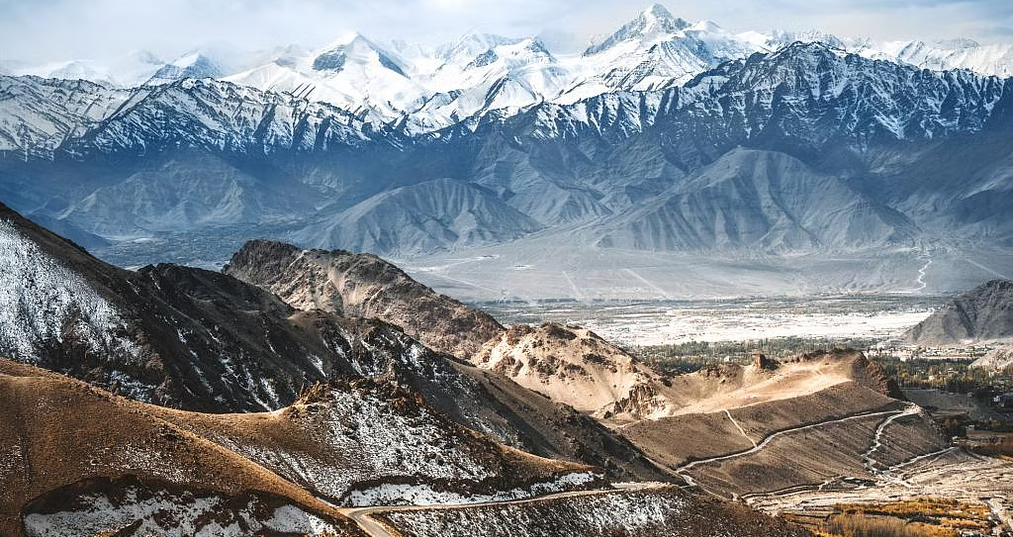
The latest GreenHouse Gas and Air Quality Bulletin reveals alarming particulate matter surges and anomalous toxic ozone spikes in Uttarakhand's delicate ecosystem, highlighting an urgent need for continuous monitoring.
A Disturbing Picture: One Year of Atmospheric Data
The Himalayan Atmospheric and Space Physics Research Laboratory (HASPRL) at Hemvati Nandan Bahuguna Garhwal University, Srinagar Garhwal, released its 5th Greenhouse Gas and Air Quality Bulletin. Analyzing continuous atmospheric and meteorological data, the study presents a comprehensive scientific assessment of the ambient air quality in the Garhwal Himalayas.
A Year-Long Diagnostic: The Garhwal Atmosphere Under Scrutiny
On September 15, 2026, the Himalayan Atmospheric and Space Physics Research Laboratory (HASPRL) at Hemvati Nandan Bahuguna Garhwal University, Srinagar Garhwal, published its Fifth Greenhouse Gas and Air Quality Bulletin. Analyzing data collected continuously from September 15, 2025, to September 15, 2026, the comprehensive report maps the intricate relationship between meteorological parameters and ambient air pollutants—including ground-level ozone (O3), fine particulate matter (PM2.5 and PM10), and gaseous pollutants across the Garhwal Himalayas.
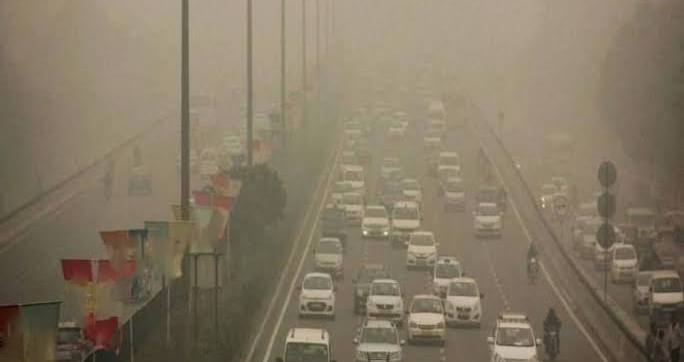
The findings reveal that particulate matter remains a persistent, critical atmospheric stressor in the Garhwal valley, alongside acute, episodic spikes in surface-level ozone.
| Pollutant | Annual Recorded Average | CPCB Permissible Limit |
|---|---|---|
| Fine Particulate Matter (PM2.5) | 73.30 μg/m3 | Exceeded on 169 Days |
| Respirable Particulate (PM10) | 100.48 μg/m3 | Exceeded on 146 Days |
| Daily Max 8-Hour Surface Ozone (O3) | 49.02 μg/m3 | Exceeded on 26 Days |
While other major gaseous pollutants such as Nitrogen Dioxide (NO2), Sulfur Dioxide (SO2), Ammonia (NH3), and Benzene remained within Central Pollution Control Board (CPCB) standard thresholds, particulate pollution presents an ongoing public health challenge.
The December 19 Anomaly: A Stark Warning
While baseline surface ozone levels appeared controlled across most of the 339 valid observation days, extreme localized events highlighted severe ecological vulnerability. The most alarming spike occurred on December 19, 2025, when the 8-hour average ozone concentration skyrocketed to 634.13 μg/m3, with hourly concentrations exceeding 880 μg/m3—drastically surpassing the CPCB safety benchmark of 100 μg/m3.
Scientific analysis points to a dangerous convergence: intensive local biomass burning combined with winter meteorological conditions, such as thermal inversions, trapped pollutants low in the valley floor.
Seasonal Trajectories and the Dual Nature of Ozone
The bulletin outlines distinct seasonal dynamics that govern Himalayan atmospheric health:
Winter: Temperature inversion and atmospheric stagnation prevent vertical mixing, trapping pollutants close to the valley floor.
Summer: Intense solar radiation, elevated temperatures, and wind-borne dust accelerate photochemical reactions involving Volatile Organic Compounds (VOCs) and NOx, elevating surface ozone and Carbon Monoxide (CO).
Monsoon: Heavy rainfall performs natural "wet scavenging," stripping suspended particulates from the atmosphere and offering temporary relief.
The report highlights the fundamental distinction between beneficial stratospheric ozone—located 10 to 50 km above Earth, shielding the biosphere from harmful UV radiation—and detrimental surface-level ozone. Ground-level O3 is a secondary pollutant created via photochemical reactions. High concentrations induce severe respiratory distress, eye irritation, and reduced lung function.
Global Frameworks and Community Action
The HASPRL report reinforces the critical role of international climate treaties like the Montreal Protocol and its Kigali Amendment. By phasing down hydrofluorocarbons (HFCs)—potent greenhouse gases—the Kigali Amendment alone could prevent up to 0.5°C of global warming by the end of the century.
To safeguard both public health and the fragile mountain ecosystem, researchers advise a combined strategy of scientific vigilance and grassroots participation:
Continuous Dual Monitoring: Integrating satellite observation with ground-based monitoring stations to track short-duration pollution spikes in complex terrain.
Personal UV Protection: Avoiding prolonged direct exposure during peak solar hours; utilizing protective eyewear, hats, umbrellas, and clothing.
Responsible Waste Management: Strictly prohibiting informal outdoor disposal of old refrigeration and air-conditioning units to ensure safe refrigerant recovery.
Emissions Control: Minimizing vehicle emissions and agricultural/biomass burning across valley settlements.
Preserving the Himalayan environment requires more than annual statistical averages; it demands real-time monitoring and proactive civic responsibility. Bridging scientific research with community action remains the single most effective defense for protecting the roof of the world.