The Crisis of the Crimson Resin: How Climate Volatility and Policy Neglect Threaten India’s Lac Economy
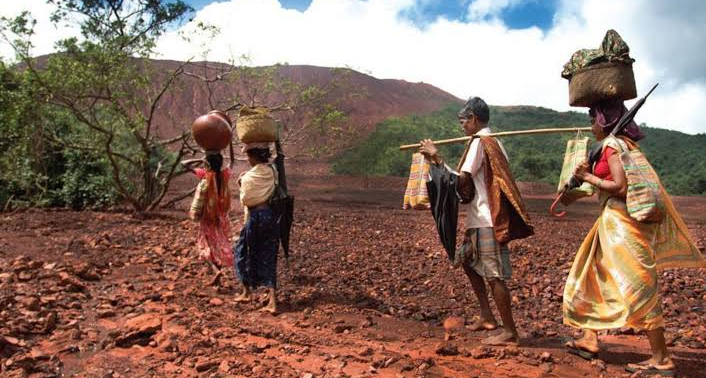
Despite soaring global demand and record export revenues, extreme weather and structural apathy push millions of tribal lac farmers to the brink of collapse.
In the dense forests of Khunti district, Jharkhand—the historic epicenter of India’s lac production—Mahavir Sahu is losing his battle against unpredictable weather.
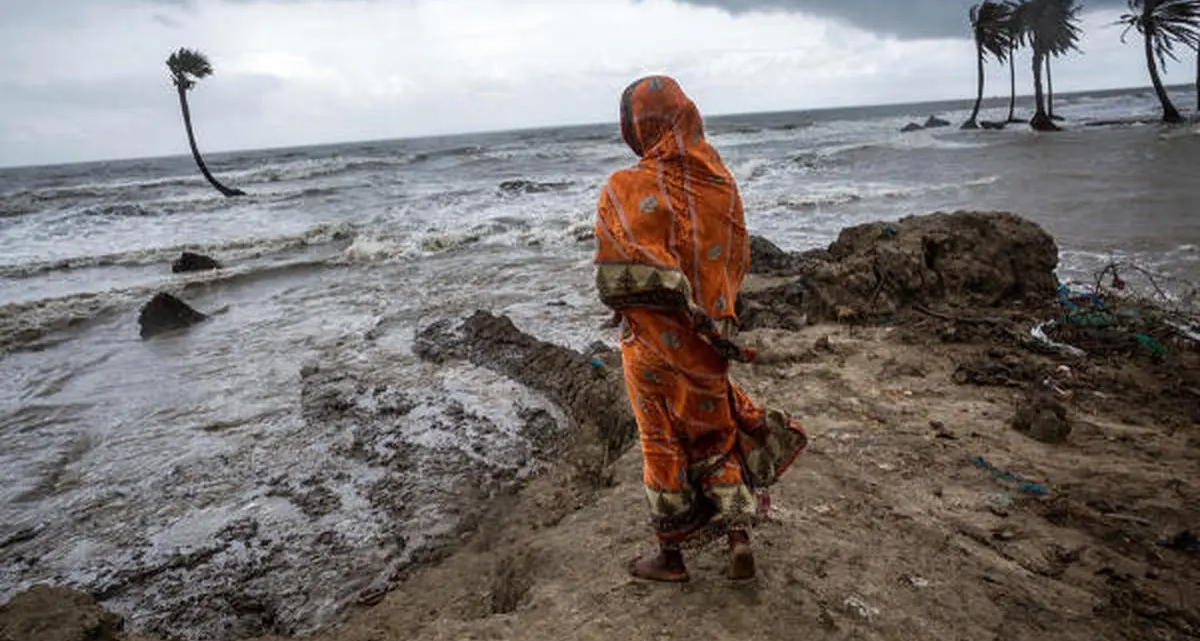
"Last year, erratic weather wiped out 50% of my raw Rangini lac crop," says Sahu, who leases over 100 Ber (Ziziphus mauritiana) trees with three partners in Langerkala village. "Dense fog during October-November stunted the lac insects' growth, causing a loss of nearly ₹3,00,000. Lac farming has become a gamble. If the weather holds, you thrive; if it turns, recovering basic investment becomes impossible."
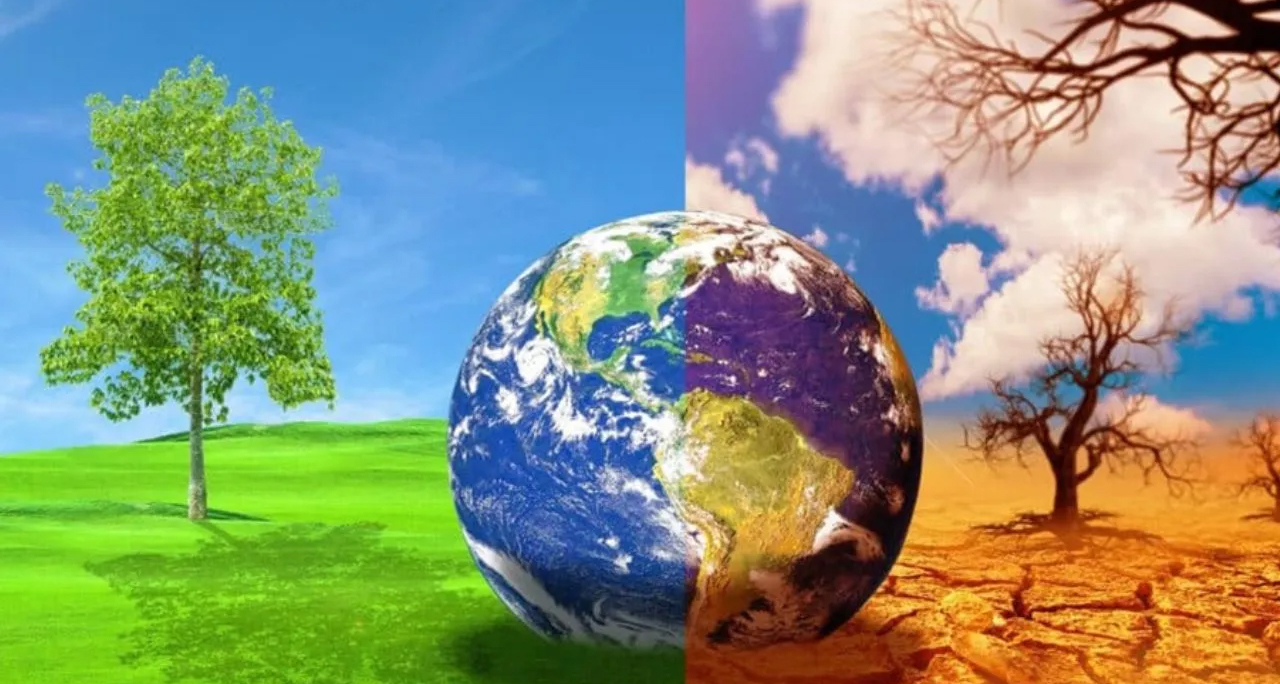
This grim reality is echoed by millions of forest-dwelling tribal farmers across India. While lac commands premium prices in global markets, the domestic production ecosystem is unraveling under the dual pressures of climate volatility and policy apathy.
A Tale of Two Strains: Rangini and Kusumi
Traditional tribal knowledge relies on two distinct biological strains of the lac insect (Kerria lacca), each with unique ecological requirements, host trees, and harvest cycles:
Rangini Strain: Primary cultivated on Palash, Ber, and Khair trees across two harvest cycles (Baisakhi and Katki). Historically considered resilient with higher yield volume, it produces a deeper red resin. However, extreme fog and unexpected winter heatwaves have severely disrupted its developmental lifecycle.
Kusumi Strain: Cultivated on Kusum (Schleichera oleosa) trees, this strain produces high-grade, lighter-colored shellac favored by international cosmetics and pharmaceutical industries. Highly sensitive to environmental changes, the 2025 Kusumi harvest suffered massive losses when heavy, off-season rains prevented spraying, leading to rampant fungal outbreaks and high insect mortality.
Declining Yields: A National Perspective
Data from the National Institute of Secondary Agriculture (ICAR-NISA) presents a sobering trajectory for India's lac-producing states, which support 3 to 4 million tribal households:
| Region / Metric | Historical Peak | Recent Low (2023–24) | Net Impact & Trajectory |
|---|---|---|---|
| Jharkhand | 11,598 tonnes (2020–21) | 6,523 tonnes | 44% drop in 3 years; accounts for ~54% of national output. |
| West Bengal | 1,207 tonnes (2020–21) | 150 tonnes (2022–23) | 88% collapse from peak levels; partial recovery to 300t in 2024–25. |
| National Total | 21,590 tonnes (2020–21) | 13,531 tonnes | 37% sharp decline in 3 years; overall volatile roller-coaster trend. |
The Economic Paradox: Soaring Export Values vs. Domestic Shortages
While domestic raw lac yields plummet, the international valuation of Indian shellac has surged dramatically:
This valuation explosion highlights the critical role of lac in high-value global industries—including pharmaceuticals, food coatings, defense, and luxury cosmetics. However, domestic processing units are paying the price. Out of approximately 150 processing factories operating a decade ago, many have closed due to raw material shortages. Surviving units, such as Jagdamba Lac Factory in Jharkhand, now increasingly import raw lac from Thailand and Indonesia (Kerria chinensis strain) to meet processing commitments.
The Scientific Underpinning: Climate and Policy Failures
Research from ICAR and the Journal of Agrometeorology points to a complex interplay of environmental stress factors:
Micro-Climate Shifts: Temperature data from Ranchi since 1984 reveals a 1.3°C increase in August maximum temperatures, directly impacting the sexual maturity and reproductive cycles of female lac insects during critical developmental windows.
Parasitoid Outbreaks: Changing weather patterns have accelerated the emergence of Aprostocetus purpureus, a major parasitoid predator of Kerria lacca, subjecting the insects to simultaneous climatic and biological stress.
Policy Apathy: Dr. Abhijit Kar, Director of ICAR-NISA, emphasizes that climate change is only half the story. "Lac has never been treated as a serious commercial crop," states Dr. Kar. "It remains an informal forest byproduct rather than organized commercial agriculture. Unless lac cultivation is integrated with formal agricultural policies, credit lines, and international trade strategy, India risks losing its historic natural advantage to Southeast Asian nations."