Bridging the Pedagogical Divide: Global Teacher Shortage Drops to 44 Million Amid an Evolving Workforce Crisis
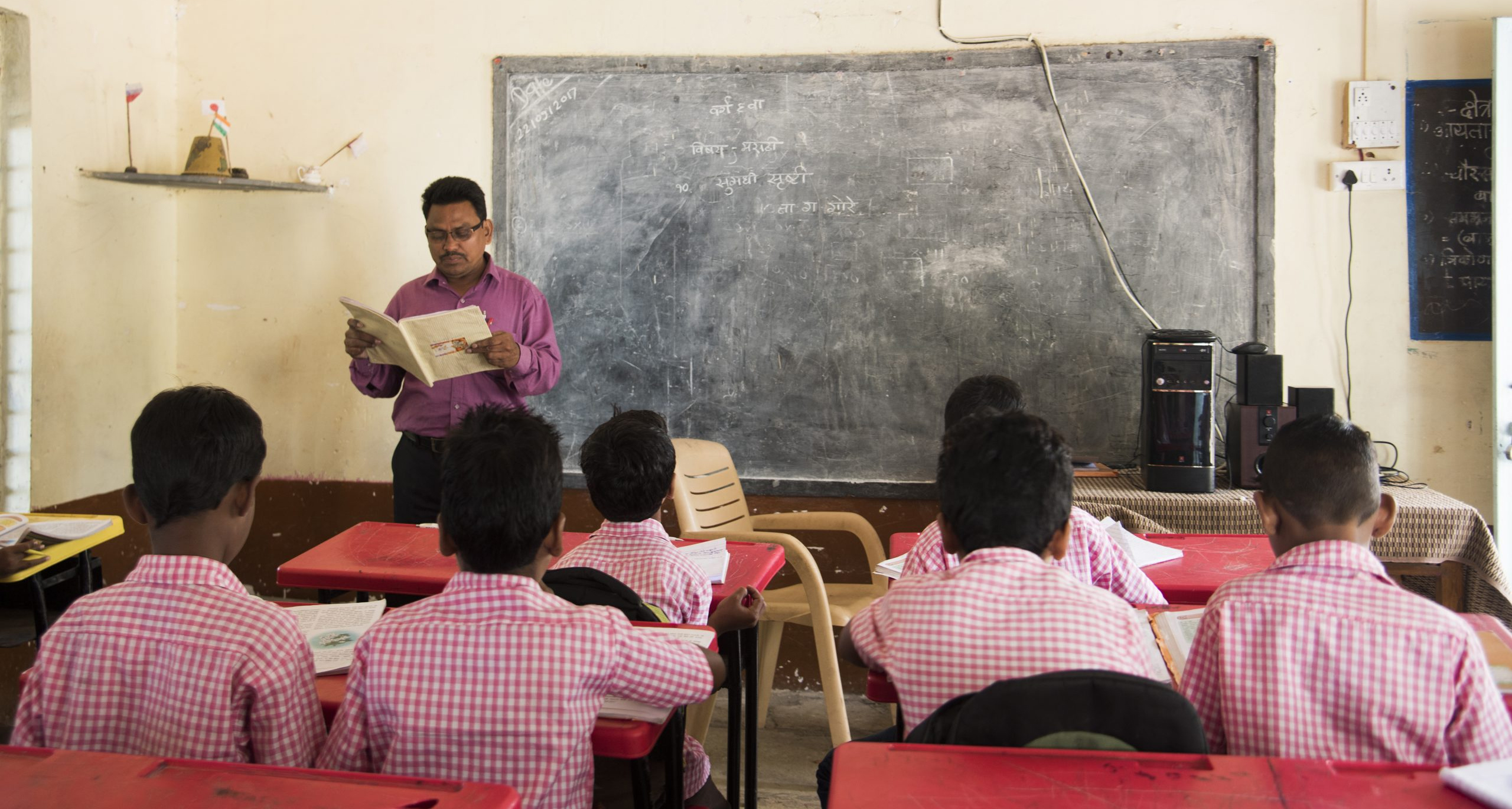
South Asia surges ahead with a 50% deficit reduction, while rising burnout and uncompetitive salaries trigger early-career attrition in Western nations.
A comprehensive analysis published by UNESCO reveals significant progress alongside persistent challenges in global education. The worldwide shortage of educators needed to achieve universal primary and secondary education by 2030 has dropped from 69 million in 2016 to 44 million.
While the one-third reduction underscores concerted global efforts, UNESCO Director-General Audrey Azoulay warns that the sector faces a structural crisis: "The solution is identical everywhere: we must value, better train, and better support our teachers."
Regional Deficits & Global Trends
The teacher shortage exhibits stark regional disparities, with South Asia emerging as a major success story while Sub-Saharan Africa and high-income nations face deepening recruitment hurdles.
| Region | Current Teacher Shortage | Key Trend / Regional Status |
|---|---|---|
| South Asia | ~3.9 Million | Deficit halved since 2016 (down from 7.8 million). |
| Sub-Saharan Africa | ~14.6 Million | Accounts for 1 in 3 missing teachers globally. |
| Europe & North America | 4.8 Million | Third-largest regional deficit despite declining birth rates. |
| Latin America & Caribbean | 3.2 Million | Structural gaps remain across rural and underserved areas. |
The Anatomy of Attrition: Why Teachers Leave
Across 79 analyzed countries, primary school teacher attrition nearly doubled—rising from 4.62% in 2015 to 9.06% in 2022. The exodus is driven by three systemic pressures:
Uncompetitive Pay: Globally, only 50% of countries pay primary school teachers competitively relative to professions requiring equivalent qualifications. In Europe and North America, this figure plummets to just 30%, with upper-secondary educators in several high-income nations earning $\le 75\%$ of peer salaries.
Workplace Stress & Administrative Overload: High administrative burdens, poor institutional leadership, and mounting stress double the likelihood of teachers leaving the profession within their first five years.
Demographic Disparities: Male primary teachers leave at more than twice the rate of their female colleagues (9.2% male vs. 4.2% female attrition in 2021), largely driven by broader alternative career options and persistent gender biases. Early-career educators remain significantly more vulnerable to burnout than experienced staff.
UNESCO's 7-Point Action Framework
To revitalize teaching into an attractive, sustainable career for younger generations, UNESCO outlines seven key policy recommendations for national adoption:
Invest in Training: Upgrade initial teacher education and fund continuous professional development.
Establish Mentorship: Pair early-career teachers with experienced mentors to encourage peer-to-peer collaboration.
Ensure Competitive Pay: Align salaries and benefits with comparable professional qualifications to offer clear career progression.
Streamline Bureaucracy: Reduce administrative paperwork to allow educators to focus primarily on instruction.
Work-Life Balance: Set reasonable expectations for working hours and limit unnecessary workload expansion.
Mental Health Support: Provide accessible counseling and wellness resources to manage workplace stress.
Empower School Leadership: Cultivate supportive leadership that values teacher input and fosters a positive environment.