
Decoding Respiratory Risks: Understanding ILI and SARI Amid Flu Season Surges
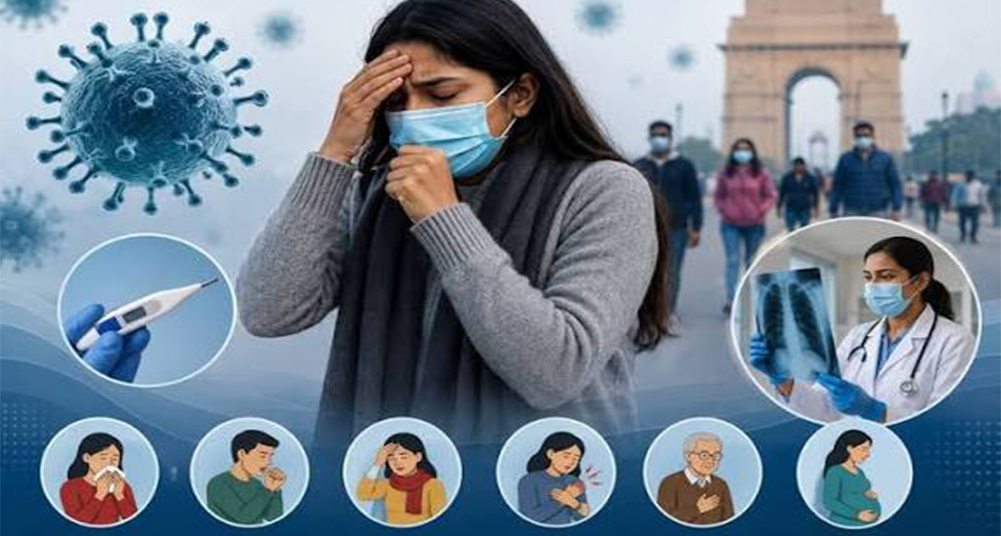
Early detection and timely medical intervention remain the frontline defense against severe respiratory complications.
As seasonal weather transitions trigger a surge in flu-like symptoms, distinguish between a standard virus and a severe infection can save lives. While fever, cough, and fatigue frequently mirror H1N1 (swine flu) and other circulating respiratory pathogens, the severity of these illnesses varies significantly. To evaluate patient risk and streamline clinical care, medical professionals categorize symptoms into two primary classifications: Influenza-Like Illness (ILI) and Severe Acute Respiratory Infection (SARI).
Influenza-Like Illness (ILI): The Standard Flu Pattern ILI refers to a cluster of acute respiratory symptoms typical of common viral infections.
Key Symptoms: Sudden onset of fever, persistent cough, sore throat, headache, myalgia (muscle pain), nasal congestion, and fatigue.
Clinical Outlook: Most cases remain mild to moderate and are manageable at home with rest, hydration, and medical guidance. Experiencing ILI does not automatically indicate H1N1, as multiple respiratory viruses display identical patterns.
Severe Acute Respiratory Infection (SARI): A Medical Priority SARI represents an advanced, high-risk progression that directly compromises pulmonary function.
Key Symptoms: Acute fever and cough coupled with severe shortness of breath (dyspnea), rapid breathing, or dropping blood oxygen levels (hypoxia).
Clinical Outlook: SARI directly threatens airway stability. Due to the high risk of rapid physical deterioration, SARI requires immediate hospital evaluation.
Key Differences at a Glance
| Feature | ILI (Influenza-Like Illness) | SARI (Severe Acute Respiratory Infection) |
|---|---|---|
| Primary Focus | Mild-to-moderate systemic flu symptoms | Severe lower respiratory distress |
| Breathing Difficulty | Rare or mild | Pronounced shortness of breath / hypoxia |
| Clinical Severity | Typically manageable at home under medical advice | Requires immediate hospital assessment |
Critical Warning Signs & High-Risk Groups Immediate medical consultation is essential if warning signs emerge, such as persistent high fever, chest pain, acute weakness, or confusion. High-risk populations—including young children, the elderly, pregnant women, and individuals with underlying conditions like asthma, diabetes, or heart disease—face an elevated risk of severe complications and should seek medical advice at the first sign of illness.
Avoid Self-Medication Because viral symptoms heavily overlap, laboratory testing and clinical evaluation are necessary for an accurate diagnosis. Healthcare experts strongly advise against self-medication—especially unprescribed antivirals or antibiotics—and urge prompt consultation with qualified medical professionals.